

RESOURCES
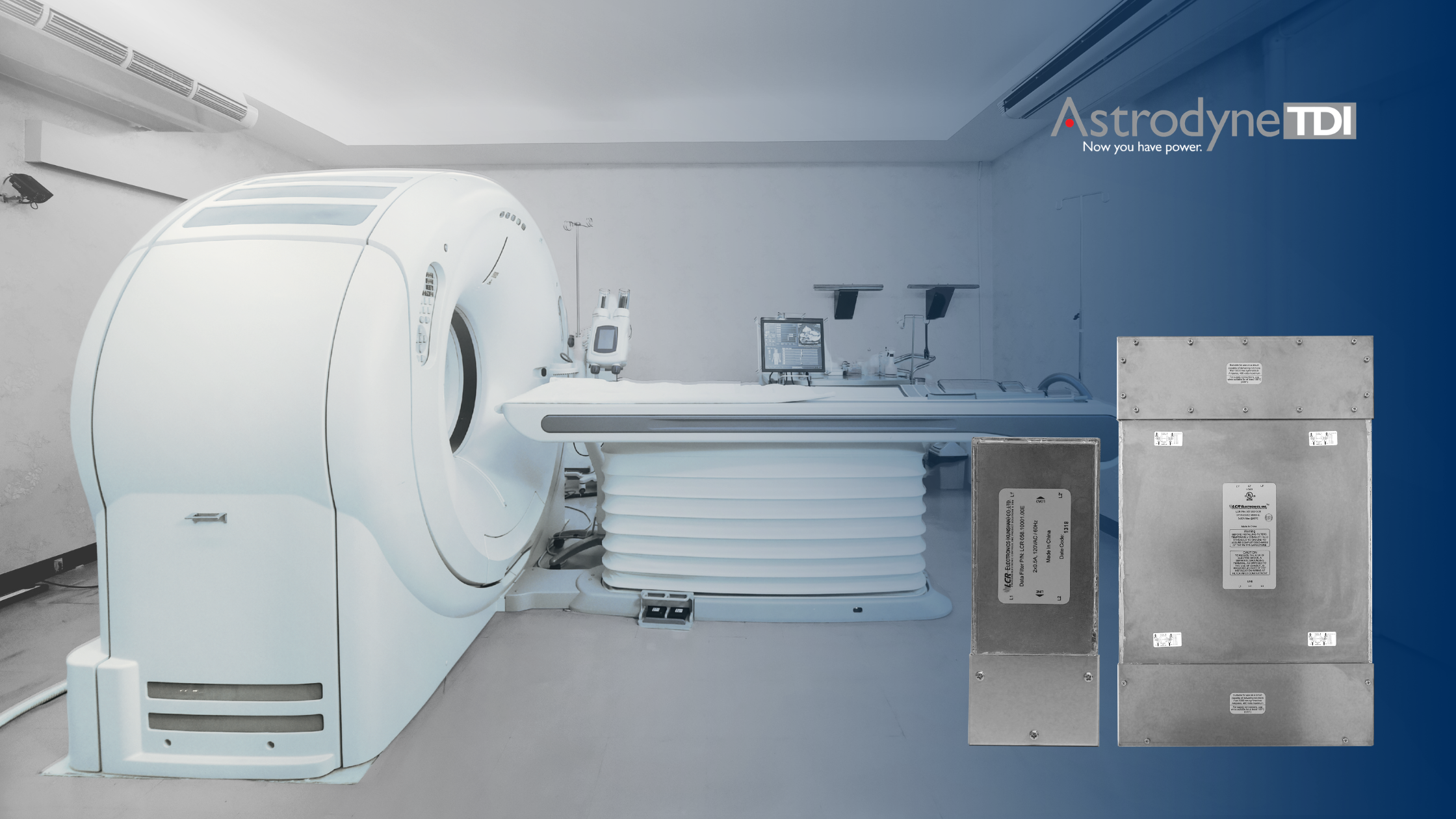
Magnetic Resonance Imaging (MRI) systems operate in one of the most electromagnetically sensitive environments found in healthcare. Producing high-quality diagnostic images requires an environment that is carefully protected from both radiated and conducted electromagnetic interference (EMI). While RF shielding often receives the most attention during MRI room design, EMI filters for MRI suites play an equally important role by preventing electrical noise from entering the shielded enclosure through power and utility lines.
Without proper filtering, conducted interference can compromise image quality, increase system downtime, and create challenges when meeting stringent facility performance requirements. Understanding how shielded facility EMI filters work helps engineers design MRI installations that deliver reliable imaging performance throughout the life of the system.
Why MRI Suites Require Electromagnetic Protection
MRI systems rely on extremely sensitive radio frequency (RF) signals to generate detailed images of the human body. During scanning, the system transmits RF energy into the patient and detects very weak returning signals. Even relatively small amounts of external electrical noise can interfere with these signals.
Potential sources of interference include:
- Variable frequency drives
- HVAC equipment
- Elevators
- Building electrical systems
- Power supplies
- Lighting systems
- Industrial machinery
- Nearby communication equipment
If these sources introduce unwanted electrical noise into the MRI environment, they may produce:
- Image artifacts
- Reduced signal-to-noise ratio
- Repeat patient scans
- Increased troubleshooting and maintenance
- Reduced scanner availability
Maintaining MRI electromagnetic integrity therefore requires protecting the room from both airborne RF energy and conducted electrical noise.
Understanding Shielded Facility Design
Most MRI rooms are constructed as enclosed RF shielded rooms, commonly referred to as Faraday cages. Copper or galvanized steel panels surround the scanning environment, preventing external RF signals from entering while also containing RF energy generated by the MRI system.
However, every cable entering the room—including power conductors—creates a potential pathway for unwanted interference.
This is where shielded facility design extends beyond the walls themselves. Every penetration through the shield must preserve the effectiveness of the enclosure. Power lines, communication cables, HVAC controls, and auxiliary systems all require carefully engineered entry points that maintain the room's shielding performance.
Without proper filtering, electrical wiring can effectively become an antenna that carries conducted interference directly into the MRI suite.
How EMI Filters for MRI Suites Work
EMI filters for MRI suites are installed at power entry locations where electrical services pass through the RF shield.
Their primary function is to:
- Block high-frequency electrical noise
- Allow normal 50/60 Hz power to pass uninterrupted
- Prevent conducted emissions from entering or leaving the MRI room
- Preserve overall RF shielding effectiveness
Rather than affecting the operating power delivered to the MRI equipment, these filters selectively attenuate unwanted high-frequency signals while allowing clean AC power to reach the scanner.
This helps ensure that the shielded enclosure maintains its electromagnetic performance even where utility power enters the room.
Conducted vs. Radiated Interference
Many engineers naturally focus on radiated interference because MRI rooms are visually surrounded by RF shielding. However, conducted interference often presents an equally significant challenge.
Radiated interference travels through the air and is largely controlled by the shielded enclosure.
Conducted interference travels along electrical conductors, including:
- Utility power
- Ground conductors
- Control wiring
- Auxiliary equipment connections
If conducted noise bypasses the shield through incoming power lines, the shielding alone cannot prevent interference from reaching sensitive MRI electronics.
Combining RF shielding with properly designed power line filtering creates a comprehensive electromagnetic protection strategy.
Benefits of Shielded Facility EMI Filters
Improved Image Quality
Reducing electrical noise helps MRI systems maintain higher signal-to-noise ratios, minimizing image artifacts and improving diagnostic confidence.
Reliable Equipment Performance
Clean incoming power reduces the likelihood of intermittent electrical disturbances affecting scanner operation or auxiliary imaging equipment.
Protection Against External Noise Sources
Hospitals continuously add new electronic equipment throughout their facilities. Proper filtering helps isolate MRI rooms from evolving electrical environments without requiring major infrastructure changes.
Support for Medical Imaging Safety
While EMI filters do not directly affect patient safety systems, maintaining stable imaging performance supports consistent diagnostic operation and reduces unnecessary repeat scans, contributing to overall medical imaging safety.
Long-Term Facility Reliability
Shielded MRI rooms represent significant capital investments. High-quality filtering helps preserve the long-term performance of the shielded enclosure by maintaining electromagnetic isolation throughout the facility lifecycle.
Selecting EMI Filters for MRI Shielded Facilities
Not every power filter is suitable for MRI applications. Engineers should evaluate several critical characteristics during system design.
Current Capacity
Filters must safely support the MRI system's operating current while accommodating startup and transient loading conditions.
Insertion Loss Performance
Insertion loss measures how effectively a filter attenuates unwanted high-frequency signals across the frequencies relevant to MRI operation.
Shielded Enclosure Integration
MRI facility filters are specifically designed to mount directly at the shield penetration, maintaining electrical continuity with the RF enclosure.
Environmental Reliability
Hospital environments demand long service life, stable performance, and reliable operation with minimal maintenance requirements.
Compliance Considerations
Medical facilities may require solutions that support applicable EMC, electrical safety, and facility performance requirements depending on regional standards and project specifications.
Integrating EMI Filters into MRI Facility Design
Successful MRI installations consider electromagnetic compatibility early in the project rather than after interference problems appear.
Best practices include:
- Incorporating EMI filters during initial facility design
- Locating filters directly at shield penetrations
- Maintaining continuous bonding between filters and RF shield panels
- Minimizing unfiltered conductor lengths entering the shielded room
- Coordinating filter selection with MRI manufacturers and shield contractors
- Verifying grounding and installation practices during commissioning
Early planning helps reduce costly modifications while improving overall system performance.
Supporting Reliable MRI Performance
Modern MRI systems continue to increase in sensitivity as imaging technology advances. Maintaining a low-noise electromagnetic environment requires more than RF shielding alone.
EMI filters for MRI suites provide a critical layer of protection by blocking conducted electrical interference before it enters the shielded environment. When integrated with effective shielded facility design, proper radio frequency shielding, and comprehensive electromagnetic interference mitigation strategies, these filters help preserve MRI electromagnetic integrity and support consistent, high-quality medical imaging performance.
For hospitals, imaging equipment manufacturers, and facility engineers, investing in properly engineered shielded facility EMI filters helps protect both imaging reliability and long-term operational performance.
Why Choose Astrodyne TDI Shielded Facility EMI Filters?
Astrodyne TDI designs high-performance EMI filters for MRI suites that help maintain electromagnetic integrity in shielded medical environments. Engineered for demanding healthcare applications, our shielded facility filters provide high attenuation of conducted noise while supporting reliable power delivery to MRI systems and associated equipment.
Whether you're designing a new MRI installation or upgrading an existing shielded room, our engineering team can help identify the right EMI filtering solution for your application.