Critical Requirements for Data Center Power Systems
To ensure reliable operation, designers must prioritize:
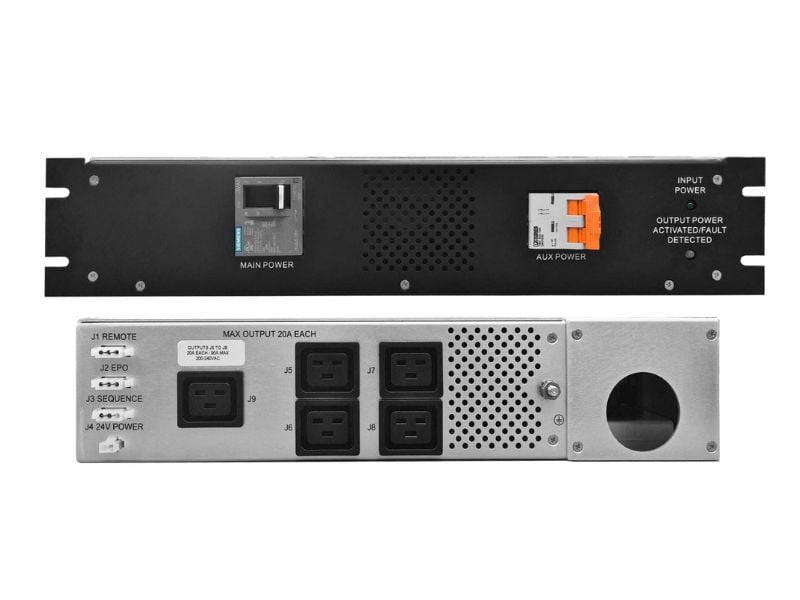
Data Center PDU Performance & Monitoring: Intelligent PDUs must provide real-time monitoring, load balancing, and circuit protection at the rack and facility level.
Rack Power Distribution Efficiency: Power must be distributed across racks with minimal losses, reduced heat, and consistent performance.
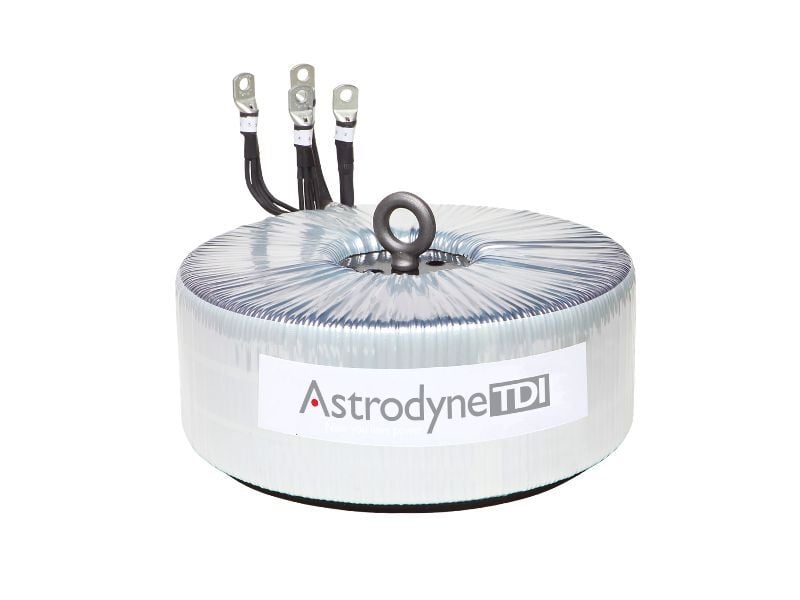
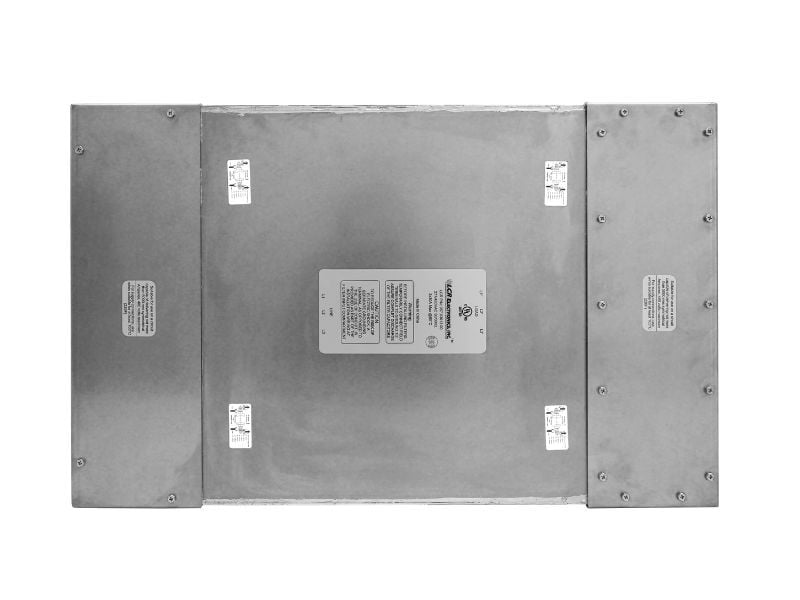
Isolation Transformers for UPS Systems: Isolation transformers are essential for noise reduction, voltage stabilization, and protecting downstream equipment. Their main purpose is to create a solid electrical barrier between input and output circuits, enhancing safety and reducing electrical noise for sensitive equipment.
Power Quality & Harmonic Mitigation: Clean power is critical to prevent overheating, system errors, and reduced hardware lifespan. Power lines and electrical devices can introduce noise and harmonics, impacting sensitive equipment in various industries, including industrial machinery.
Astrodyne TDI Power Distribution & Transformer Solutions
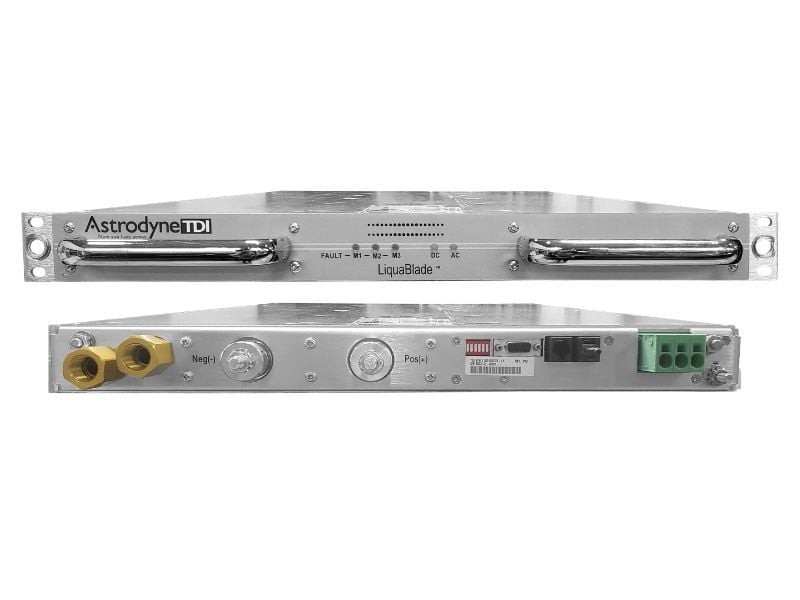
Data Center PDUs
Engineered for rack-level and facility-wide power distribution, Astrodyne TDI PDUs provide:
- Intelligent monitoring for voltage, current, and load conditions
- Remote management and control for improved uptime
- Integrated circuit protection and surge suppression
- Flexible configurations for scalable data center deployment
These data center PDUs ensure reliable power delivery while enabling full visibility into system performance.
Isolation Transformers for UPS Systems
Astrodyne TDI isolation transformers play a critical role in UPS-backed power systems by:
- Providing electrical isolation to protect sensitive loads. Isolation transformers use two windings that are magnetically coupled but have no direct connection, creating a solid electrical barrier between input and output circuits. The output circuit is 'floating' and not grounded, so touching a live wire does not create a path for electricity to flow through a person, thus preventing electric shocks.
- Reducing common-mode noise and EMI
- Stabilizing voltage during load fluctuations and transitions
- Minimizing inrush current to prevent system disruptions
Isolation transformers are essential in medical equipment and medical devices, providing electrical safety for devices like MRI machines and surgical tools, and helping meet safety codes by providing galvanic isolation between user-accessible circuits and power sources. They are also used in test equipment to ensure accurate results and safety during electronics testing. In IT and data centers, isolation transformers protect computers, servers, and networking equipment from power problems, ensuring a stable and clean power supply to prevent downtime. Designed for harsh environments, they provide important benefits such as protecting connected devices from electrical hazards.
These transformers enhance UPS system performance, reliability, and safety in mission-critical environments.
Electromagnetic Interference: Ensuring Clean Power Delivery
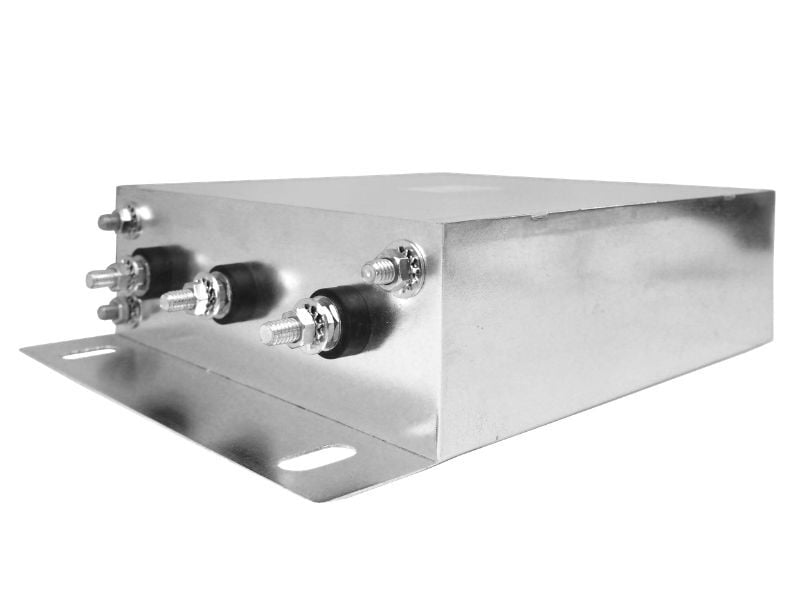
Electromagnetic interference (EMI) poses a significant threat to the reliable operation of sensitive equipment and control systems in data centers and industrial applications. High-frequency noise, voltage spikes, and electrical noise can disrupt the performance of sensitive electronics, leading to inaccurate results or even equipment failure.
Isolation transformers are engineered to provide electrical isolation between the primary and secondary windings, effectively blocking the flow of EMI and high-frequency disturbances. By isolating critical systems from power line noise and electromagnetic disturbances, these transformers ensure that sensitive control systems and medical equipment receive a stable, clean power supply. This level of protection is essential for maintaining the integrity and uptime of mission-critical operations, where even minor interference can have major consequences.
Industry Standards and Compliance
Adhering to industry standards is essential for the safe and reliable operation of electrical systems. Isolation transformers and EMI filters must comply with rigorous requirements set by organizations such as the International Electrotechnical Commission (IEC) and the National Electrical Manufacturers Association (NEMA). These standards define critical parameters for electrical isolation, voltage levels, and noise protection, ensuring that isolation transformers provide the necessary safeguards for sensitive equipment and personnel.
Compliance with these industry standards guarantees that devices and systems are protected against electromagnetic interference and electrical faults. By meeting or exceeding these requirements, isolation transformers and EMI filters deliver consistent performance and safety across a wide range of applications, from data centers to industrial facilities.
Designed for High-Density Data Centers & Industrial Facilities
Astrodyne TDI solutions help you:
- Improve uptime and prevent costly downtime
- Enhance power quality across rack and facility levels
- Protect critical IT and industrial equipment
- Enable scalable, high-density infrastructure
- Reduce operational risk and maintenance costs
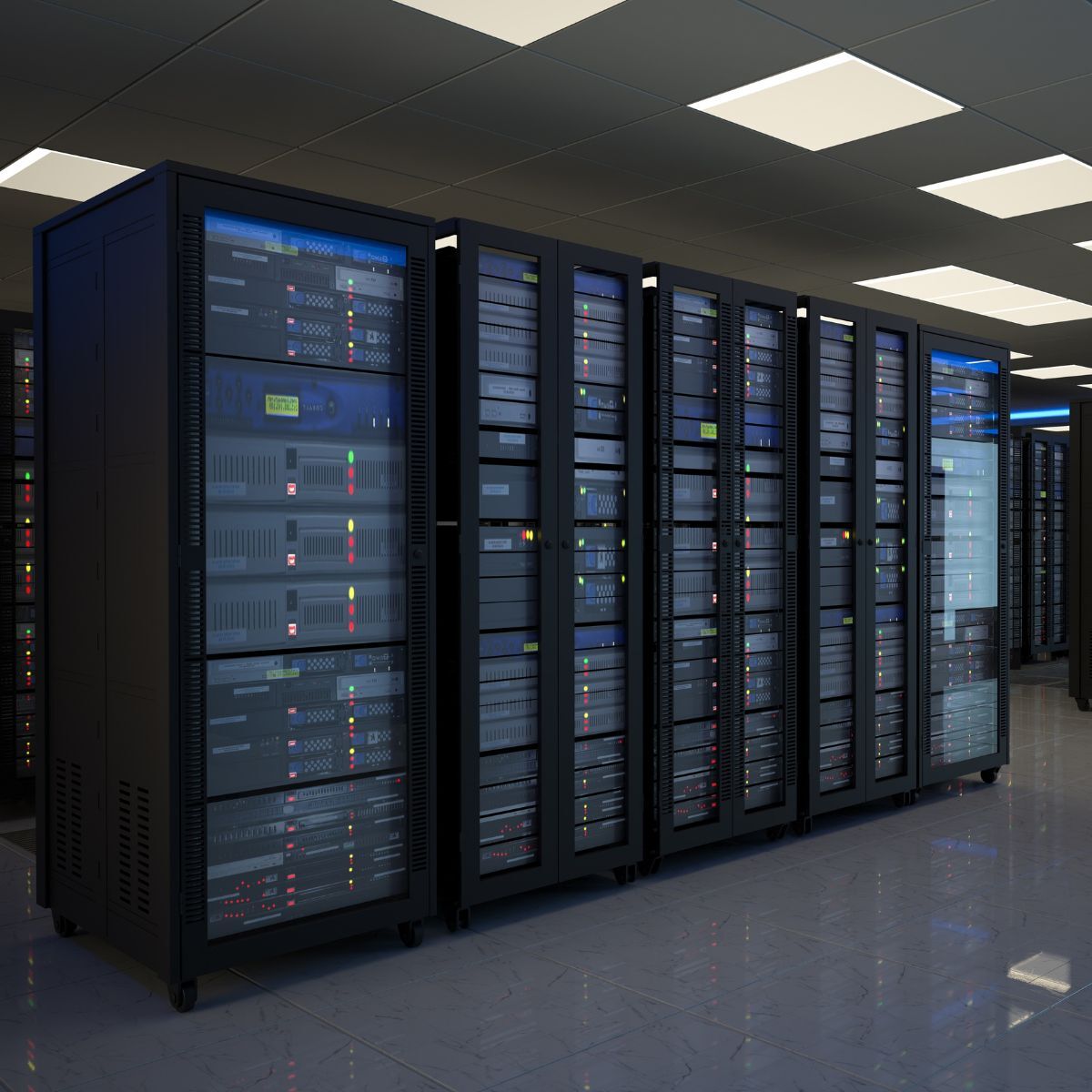
Data centers serve as the backbone of the digital economy, enabling cloud computing, AI, content delivery, and business continuity. They host web content, videos, and applications, caching them closer to users to reduce latency and speed up internet browsing. Data centers also provide the infrastructure for public and private clouds to deliver scalable computing resources and storage on demand.
There are several types of data centers, each serving different network and business needs: Cloud data centers are operated by cloud service providers and deliver virtualized resources on demand over the internet. Edge data centers are smaller, localized facilities positioned closer to end-users for real-time data processing, especially for IoT devices. Colocation data centers allow multiple businesses to rent space, power, and cooling from a third-party provider while managing their own hardware. Enterprise data centers are private facilities owned and operated by a single organization to support its internal IT needs. Hyperscale data centers are massive facilities designed to support global cloud-scale workloads and contain at least 5,000 servers.
Find a Rep


.jpg?width=1110&height=512&name=Application%20Page%20Graphics%20(2).jpg)